


By Dr Mitsu Shah, Paediatric GP at Kidswell Health
Vaccinations are one of the most effective ways to protect your baby from life-threatening illnesses such as meningitis, measles, and whooping cough. In the UK, the NHS recommends a series of vaccinations starting when your baby is just 8 weeks old. To find out more about the vaccination schedule for babies head to our blog here.
As a parent, it’s normal to feel concerned about how your baby will react. Most babies cope very well with vaccinations, but some will experience temporary side effects. Understanding what to expect can help you feel prepared and reassured.
Side effects happen because vaccines stimulate your baby’s immune system to build protection. This immune response can sometimes cause symptoms such as fever, fussiness, or a sore arm. These are short-term signs that your baby’s body is learning to fight the disease.
Most side effects are mild and only last a day or two. The most common ones include:
Occasionally, babies may experience:
These are still usually short-lived and not harmful.
Serious reactions to baby vaccinations are extremely rare. However, you should seek urgent medical advice if your baby:
Call 999 or go to A&E if you think your baby is having a severe reaction.
It’s natural to worry when your baby feels unwell after a vaccination, but remember: these side effects are short-term and far less serious than the illnesses the vaccines protect against.
For more detail on when each vaccine is given, see our blog on the updated NHS baby vaccination schedule.
Plus, read our blog on how to prepare for your baby’s first vaccination here.
Baby vaccinations are safe, effective, and protect against serious diseases. While mild side effects are common, serious reactions are rare. If you’re unsure or worried about your baby’s symptoms, always contact your GP or NHS 111 for advice.
At Kidswell Health, our paediatric team is here to support parents through every stage of their baby’s health journey, from routine check-ups and routine vaccinations to personalised vaccination advice.
Book a vaccination or a consultation with our paediatric specialists
What are the most common side effects of baby vaccinations?
The most common side effects are a sore or swollen injection site, mild fever (especially after the MenB vaccine), fussiness, tiredness, and reduced appetite. These usually last only a day or two.
Do babies feel pain during vaccinations?
Yes, babies may cry briefly when the needle goes in, as they feel a momentary sting or discomfort. The good news is that the pain is very short-lived, and most babies settle quickly with cuddles, breastfeeding, or a bottle straight after.
Is it normal for my baby to have a fever after vaccinations?
Yes. A mild fever is common, especially after the MenB vaccine given at 8 and 16 weeks. Infant paracetamol is recommended by the NHS to reduce discomfort and lower temperature.
How long do side effects from baby vaccinations last?
Most side effects settle within 24–48 hours. Some, such as mild swelling at the injection site, can last up to a week but should not cause ongoing problems.
Can vaccinations cause serious side effects?
Serious side effects, such as severe allergic reactions, are extremely rare. The benefits of protecting your baby against serious illnesses far outweigh the small risks of side effects.
What should I do if my baby won’t stop crying after their jabs?
Crying for a short while is normal, but if your baby cries inconsolably for more than 3 hours, or you’re worried, seek medical advice from your GP or NHS 111.
Can my baby have vaccinations if they were premature?
Yes. Premature babies are often at greater risk of infections, so it’s important they are vaccinated according to the same schedule as other babies, starting at 8 weeks (or 8 weeks corrected age if advised by your doctor).
Do you provide routine vaccinations at Kidswell Health?
Yes. At Kidswell Health, our paediatric team offers routine vaccinations alongside check-ups and expert advice. We provide a calm, child-friendly environment to make the process as stress-free as possible for both you and your baby.

Dr. Mitsu Shah is a highly experienced NHS doctor who has been practicing for 13 years, with clinical experience spanning both the UK and Australia.
After completing her medical degree at King’s College London, Dr. Shah began her specialty training in Paediatrics in London – including Great Ormond Street, before transitioning to General Practice in North London. Now a dedicated GP, she maintains a strong focus on child health and medical education. She continues to teach at King’s College London, where she is passionate about mentoring the next generation of doctors. Additionally, she is involved in teaching the wider Multi disciplinary team for Paediatric asthma.
Dr. Shah brings warmth, empathy, and deep clinical knowledge to her care, understanding the importance of compassion in supporting both children and their families.

Stubbornness. Defiance. Attention-seeking. Giving in. These are the words that get attached to a child who won’t go to school…
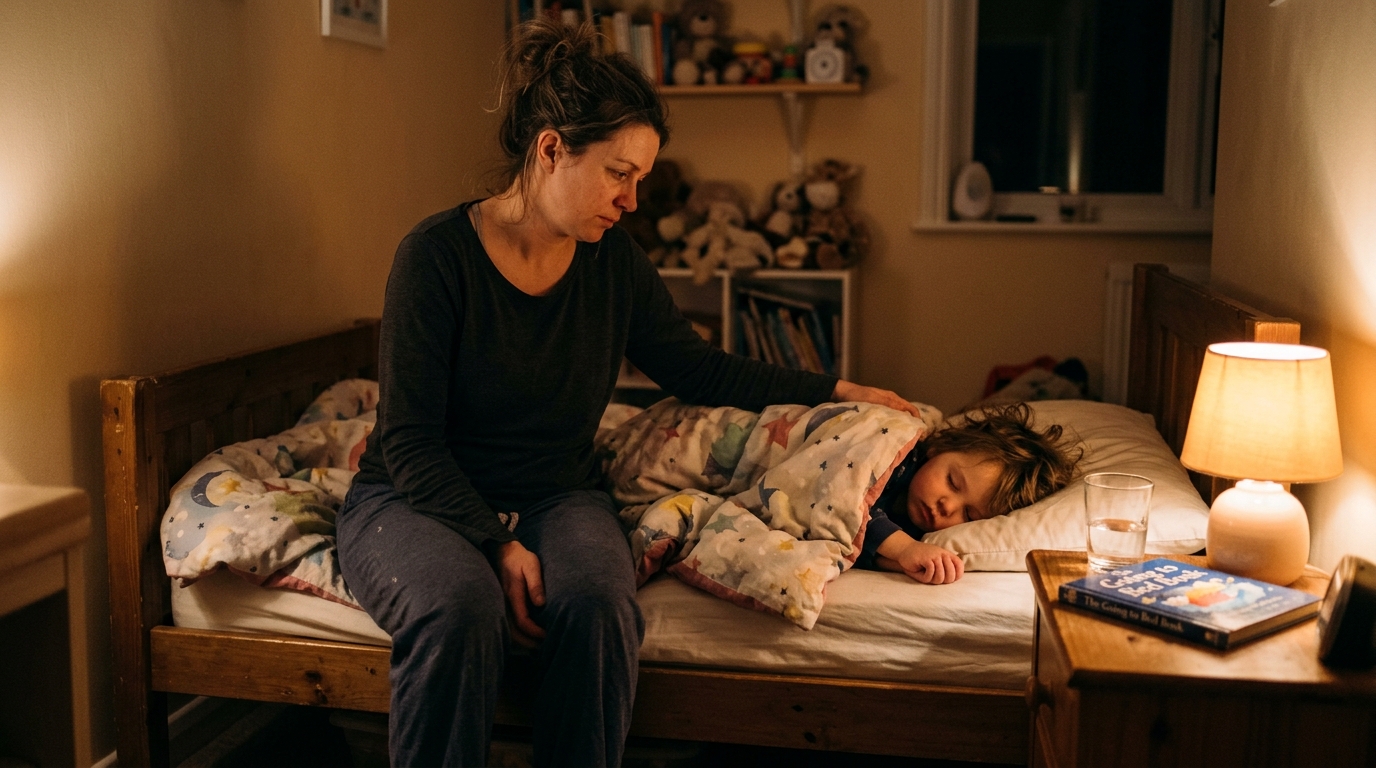
It’s 11.04pm. Your four-year-old has been at the bedroom door seven times. You’ve done the water, the second wee, the…

Your son is nine. His best friend sat with someone else at lunch on Tuesday and he came home and…

Your child seems quieter than usual. They won’t eat lunch before school. They’re clinging to you at the classroom door…

If your baby develops a new rash, it can quickly become all you think about. Is it eczema? Heat rash?…

What has happened? There has been an outbreak of meningococcal meningitis in the Canterbury area of Kent. Health authorities have…