

Slapped cheek syndrome (also called fifth disease or erythema infectiosum) is a common childhood viral infection caused by parvovirus B19. It often looks dramatic, with bright red cheeks followed by a blotchy, lacy rash, but in most healthy children, it’s mild and settles with time and comfort care.
Where families can feel stuck is the “in-between” stage: early cold-like symptoms, uncertainty about nursery, worries about pregnancy in the household, or a child who’s more unwell than expected. This guide breaks down the symptoms, a simple timeline, and the situations where it’s worth speaking to a private paediatrician in London for fast reassurance and a clear plan.
Slapped cheek syndrome is caused by parvovirus B19, which spreads mainly through respiratory droplets (coughs and sneezes). Many children have a few days of mild, non-specific symptoms first, and only later develop the classic rash.
It’s most common in children, but adults can catch it too (often with more aches and fewer obvious rashes).
Children don’t all read the textbook, but these are typical patterns:
These early symptoms are well described in UK guidance.
A useful thing to know is that the rash can come and go for a couple of weeks and may flare with heat, exercise, hot baths, or sun exposure, which can make it look like it’s “back” even when the infection is passing.
Incubation (time from exposure to symptoms) is commonly 4–14 days, and can be up to 21 days.
Here’s a parent-friendly timeline:
| Stage | What you might see | What it means |
| Days 0–14 (sometimes up to 21) | No symptoms yet | Incubation period |
| A few days | Cold-like symptoms ± low fever | The child may be contagious during this earlier phase |
| The next few days | Cheek rash appears, then lacy body rash | By the time the rash appears, they’re unlikely to be contagious |
| 1–3 weeks | Rash may fade and flare | Normal in many children |
This is the part that surprises many parents slapped cheek is most contagious before the classic rash appears, when it looks like a normal cold.
For school/nursery exclusion, UKHSA guidance for child settings notes that no exclusion is needed once the rash has developed (assuming the child feels well enough to attend). It also highlights that pregnant contacts should seek advice from their GP or midwife.
Most children do fine, but some situations deserve extra attention:
Parvovirus B19 can lead to complications in pregnancy, but the overall risk is low.
If a pregnant parent, carer, or close contact has been exposed (especially in the contagious “cold phase”), it’s sensible to speak with a midwife/GP for tailored advice. UKHSA specifically flags this.
Parvovirus B19 can cause a significant drop in blood count in children with certain blood disorders (such as sickle cell disease, thalassaemia, and hereditary spherocytosis) or in those who are immunocompromised.
For straightforward cases, management is supportive:
If symptoms are mild and improving, this is often enough.

If you’re searching “paediatrician near me” or “private paediatrician London” during a rash-and-fever week, it’s usually because something doesn’t feel clear. These are the common “worth a clinician review” situations:
For many parents, especially first-time parents, “worried well” families, and expat households used to a named paediatrician, the value is speed and clarity, a proper history, a full exam, and straightforward guidance on what to do next (and what not to worry about).
Kidswell Health is a private children’s clinic in North West London, set up to give parents fast, convenient access to personalised paediatric care from experienced clinicians.
When to Seek Emergency Support
In certain situations, it’s crucial to get immediate medical assistance. Here are some signs that warrant emergency care:
Symptoms like difficulty breathing, swelling of the face or throat, or severe rash should be taken seriously and require immediate attention.
If your child has sustained a serious injury, such as a head injury, severe burns, or a broken bone, seek emergency help.
If your child has a high fever (especially in infants under three months), accompanied by lethargy, difficulty waking, or persistent crying.
If your child experiences a seizure for the first time, or if they have multiple seizures.
Symptoms such as extreme thirst, dry mouth, little or no urination, or confusion can indicate dehydration and require urgent care.
If your child shows signs of respiratory distress, such as rapid breathing, grunting, or retractions (pulling in of the skin between the ribs during breathing).
Call 999 If…
While slapped cheek syndrome is generally mild, there are difficult situations where immediate medical attention is crucial. Contact emergency services (999) if your child experiences any of the following:
In any situation where you feel your child’s health is in danger, don’t hesitate to call for emergency help. Your child’s safety is the top priority!
Depending on your child’s symptoms, a clinician may:
In most children, tests aren’t needed. In special circumstances (e.g., pregnancy exposure, immune compromise, or an unclear diagnosis), blood tests for parvovirus B19 antibodies may be considered.
Many children feel unwell for a few days, then the rash phase can come and go for 1–3 weeks.
Reinfection is uncommon; many people develop immunity after infection (though wording varies by source and individual circumstances).
They are unlikely to be contagious once the rash appears; contagiousness is typically earlier in the illness.
Often, that’s not realistic, and because the contagious period is usually before the rash, siblings may already have been exposed. Focus on hand hygiene and not sharing cups/utensils, especially around pregnant contacts.

Slapped cheek syndrome often looks alarming, but for most children it’s a self-limiting viral illness with a predictable pattern: a mild “cold” phase, then the classic cheek rash, then a fading/flaring body rash. The tricky part is knowing when it’s still normal and when it’s time to get a clinician involved, especially with pregnancy exposure, underlying health conditions, or a child who seems genuinely unwell.
If you’d like a calm, thorough assessment and a clear plan from a trusted clinician in North West London, you can book with Kidswell Health at www.kidswellhealth.com.
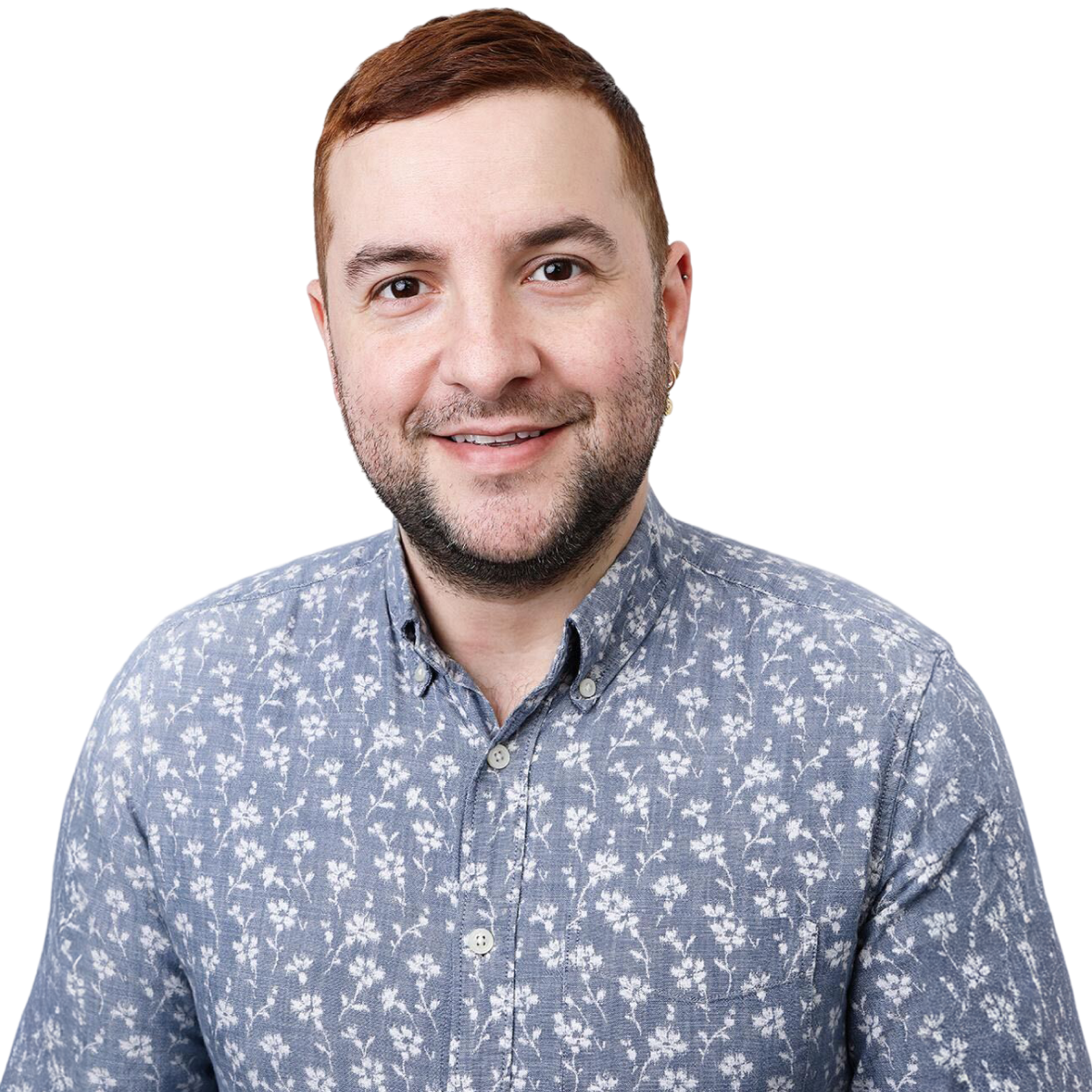
Gabriel Chain, M.B.B.S, B.S.c, FAAP, Board Certified in General Paediatrics from the American Board of Paediatrics.
Following graduation from University College London, Gabriel completed foundation medical training in Edinburgh at the Royal Hospital for Sick Kids and Royal Infirmary. He then completed the USMLE board exams and certification with the ECFMG before relocating to New Jersey, USA where he completed Paediatric Residency at The Children’s Hospital at Saint Peter’s University Hospital.
After residency, Gabriel began working at Attending/Consultant level for the Children’s Hospital of Philadelphia, primarily practising at Penn Medicine Princeton Medical Center. He works as a General Paediatrician “Hospitalist” and Paediatric ER physician. He now continues that role whilst also subspecialising in paediatric palliative care at Nemours Children’s hospital.
Stubbornness. Defiance. Attention-seeking. Giving in. These are the words that get attached to a child who won’t go to school…
It’s 11.04pm. Your four-year-old has been at the bedroom door seven times. You’ve done the water, the second wee, the…

Your son is nine. His best friend sat with someone else at lunch on Tuesday and he came home and…

Your child seems quieter than usual. They won’t eat lunch before school. They’re clinging to you at the classroom door…

If your baby develops a new rash, it can quickly become all you think about. Is it eczema? Heat rash?…

What has happened? There has been an outbreak of meningococcal meningitis in the Canterbury area of Kent. Health authorities have…